
Asbury Park HOA Fees: A Practical Guide for Buyers
January 15, 2026
January 15, 2026
Buying a condo near the Asbury Park boardwalk or downtown? HOA fees can be the hidden line item that makes or breaks your monthly budget. You want the beach lifestyle without surprises. This guide breaks down what HOA fees cover, how they’re set, and how to compare buildings in Asbury Park so you know exactly what you’re paying for. Let’s dive in.
HOA or condo fees are your share of the building’s annual budget. The budget has two parts: daily operations and reserves. Operations cover routine costs like cleaning, insurance for common areas, utilities for shared spaces, and vendor contracts. Reserves fund big-ticket repairs over time like roof replacement, facade work, and elevator upgrades.
Most associations allocate fees by your unit’s percentage interest or square footage. Fees can rise if insurance, utilities, or vendor pricing goes up, or if the board increases reserve contributions. A special assessment is a separate charge when the budget and reserves cannot cover a major expense.
If you want a deeper dive into how associations plan budgets and reserves, the Community Associations Institute offers helpful guidance.
Every building is different, but in Asbury Park you commonly see these line items:
Property taxes are typically paid by individual owners. Cable, internet, and electric are often separate, unless the building negotiates a bulk plan. Always confirm what is included in writing.
Buildings near the beach face salt, wind, and storm exposure. That can mean higher property insurance costs and a need for flood insurance. Many associations near the shore carry flood policies. Always ask if the building is in an AE or VE flood zone and what coverage limits and deductibles apply. You can review local mapping on the FEMA Map Service Center and learn about coverage through the National Flood Insurance Program.
Parking is premium in downtown and boardwalk zones. Garages, gates, lighting, and snow removal add costs. If the HOA maintains beach walkways or private access points, that maintenance is also part of the budget.
Asbury Park draws seasonal visitors, and some buildings restrict short-term rentals. High rental turnover can increase cleaning, security, and maintenance costs. Check building leasing rules and review city requirements on the City of Asbury Park website before you buy.
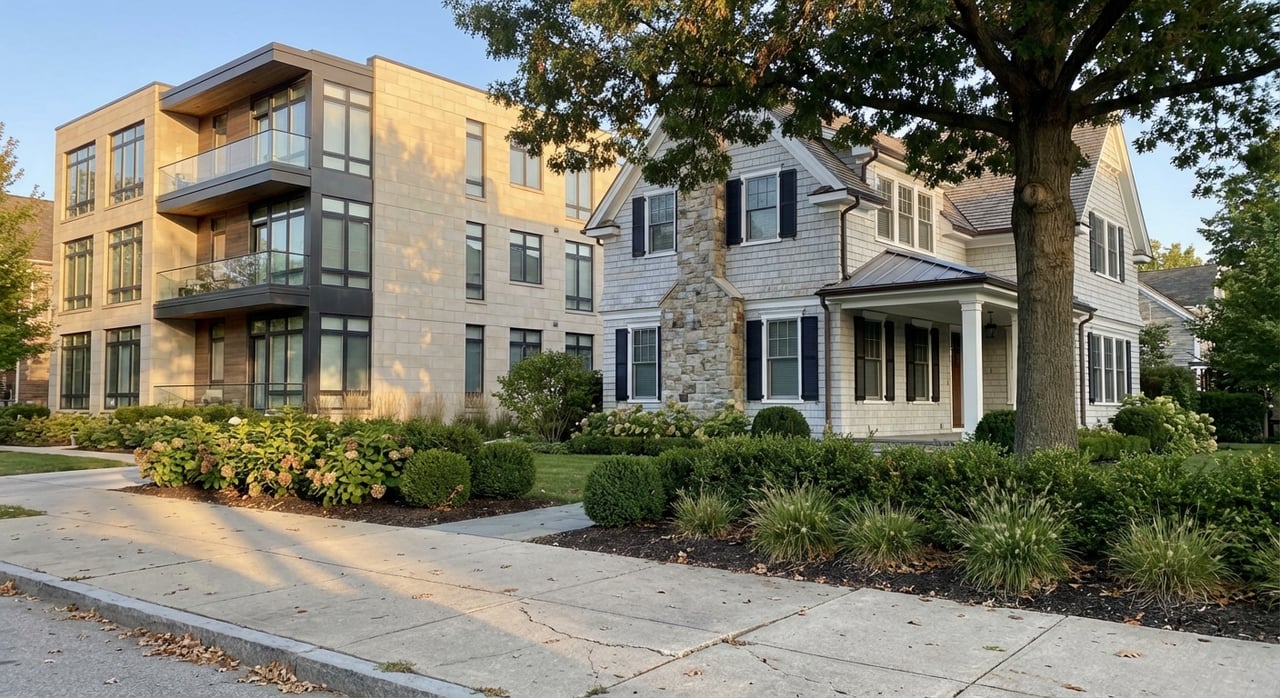
Some condos sit above retail. Those buildings may have separate cost-sharing agreements with commercial spaces. Vintage beachfront properties often require more frequent facade and waterproofing projects than newer construction.
A resale or estoppel package gives you the governing documents, budget, insurance summary, and a statement of what the seller owes. Lenders often require it. Expect to see the master deed, bylaws, rules, current budget, recent financials, reserve study, insurance certificate, meeting minutes, and disclosures on special assessments or litigation. For an overview of what to expect, see this consumer explainer on HOA and condo resale documents.
What to review closely:
New Jersey has a specific legal framework for condos. If you want the statutory context, review the New Jersey Condominium Act and have a New Jersey real estate attorney explain how it applies to your purchase.
Special assessments happen when reserves and the annual budget cannot cover a big cost. Causes include storm damage, facade or roof projects, elevator modernization, litigation, or insurance spikes.
To estimate risk in Asbury Park:
A practical approach is to calculate a total monthly number for each property you compare: mortgage principal and interest, property taxes, HOA fee, and utilities not included by the HOA. Then add a monthly cushion for assessments based on reserve strength and building age. Ask for a 5 to 10 year history of special assessments and how they were funded.
Use this when you tour Asbury Park condos:
For local tax context and parcel details, explore county resources on the Monmouth County website.
Buying a condo at the Shore should feel exciting, not stressful. With clear numbers and the right questions, you can choose a building that fits your budget and your lifestyle. If you want a straight-talking local partner to help you compare fees, reserves, and flood exposure building by building, reach out to Alexis Fraistat. We will help you spot red flags, negotiate with confidence, and land the right place near the beach.


I’m Alexis Fraistat – a single mom, a hustler, and a Realtor® who gets things DONE. From negotiating the best deals to guiding you through inspections, paperwork, and everything in between, I’m in it with you.
ALEXIS FRAISTAT
[email protected]
(732) 859-7920
License #1968928
830 Broad St Ste 4 Shrewsbury NJ 07702