Living in Asbury Park Year-Round: Local Lifestyle Guide
February 5, 2026
February 5, 2026
Ever wondered what it’s really like to live full-time in a beach town with big-city energy? Asbury Park blends oceanfront life with a walkable downtown, a famous music scene, and a tight local community that sticks around after summer. If you want year-round access to beaches, restaurants, and culture without giving up commuter options, this guide is for you. You’ll get a clear picture of neighborhoods, housing types, commutes, seasonal rhythms, and practical costs so you can decide if Asbury Park fits your lifestyle. Let’s dive in.
Asbury Park is compact, coastal, and lively. You get a city-within-a-beach-town feel, with denser housing near the water and quieter residential blocks inland. Many restaurants, music venues, and galleries operate all year, though hours can shift in the off-season.
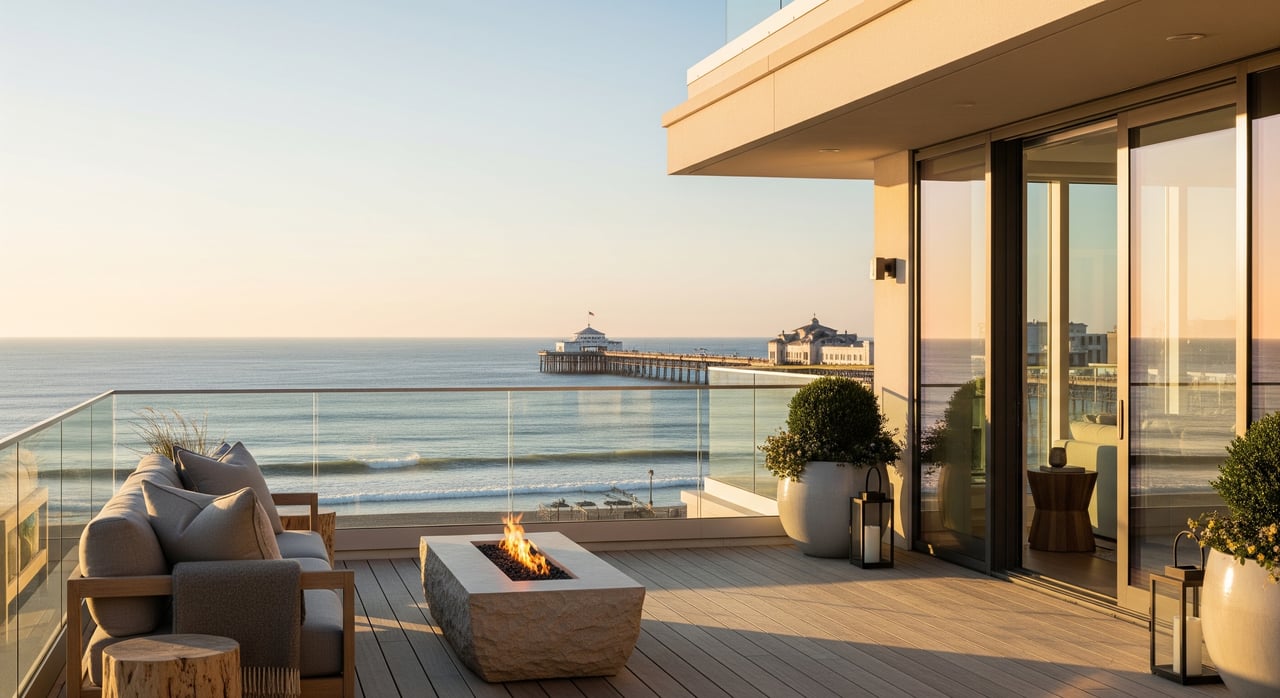
This is where the ocean views, boardwalk, and seasonal buzz come together. You’ll see condos and apartments close to the action. It is convenient for events and beach days, with more foot traffic in summer and a calmer vibe in winter.
Cookman Avenue and Main Street form the year-round core for dining, coffee, galleries, and nightlife. You can walk to most daily needs here. Housing is mixed, including apartment and condo conversions in historic or commercial buildings.
A few blocks from the water, you’ll find more single-family homes and quieter streets. Some areas include historic houses, while others have newer infill construction. If you want a calmer feel with quick access to downtown and the beach, this is worth a close look.
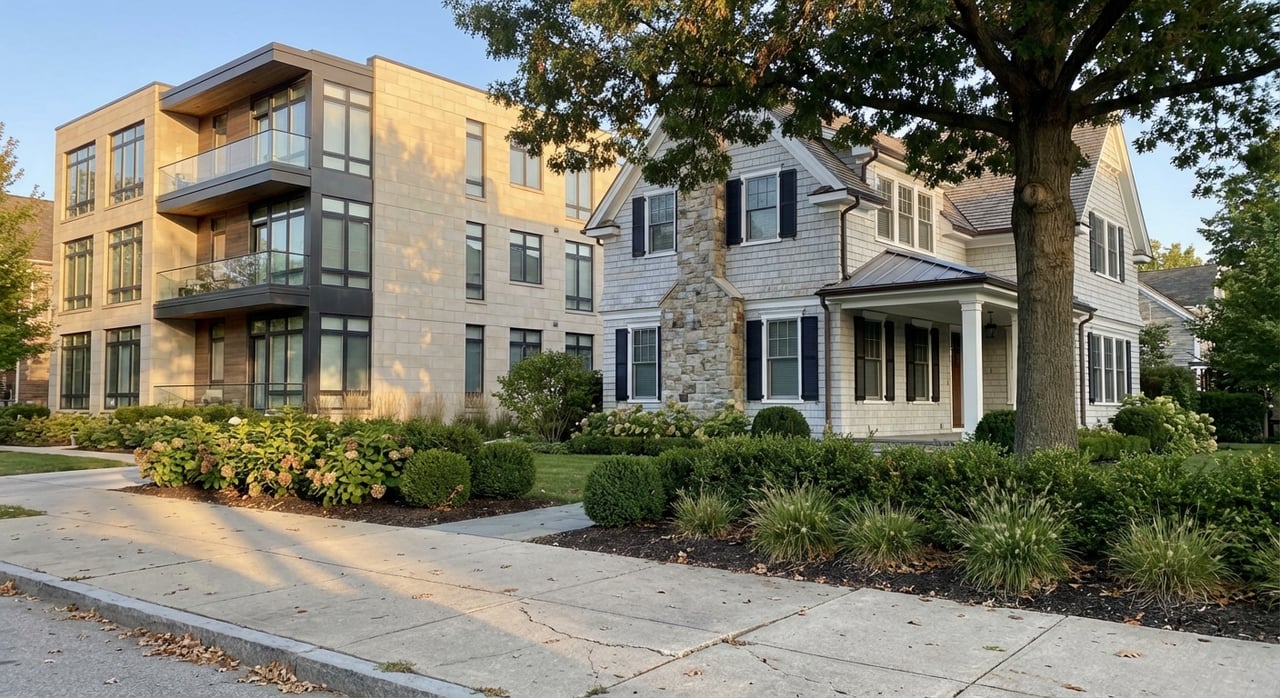
Asbury Park has a range of inventory, from oceanfront condos to classic single-family homes inland. Ongoing redevelopment has brought new buildings to the waterfront while preserving a lot of older character across the city.
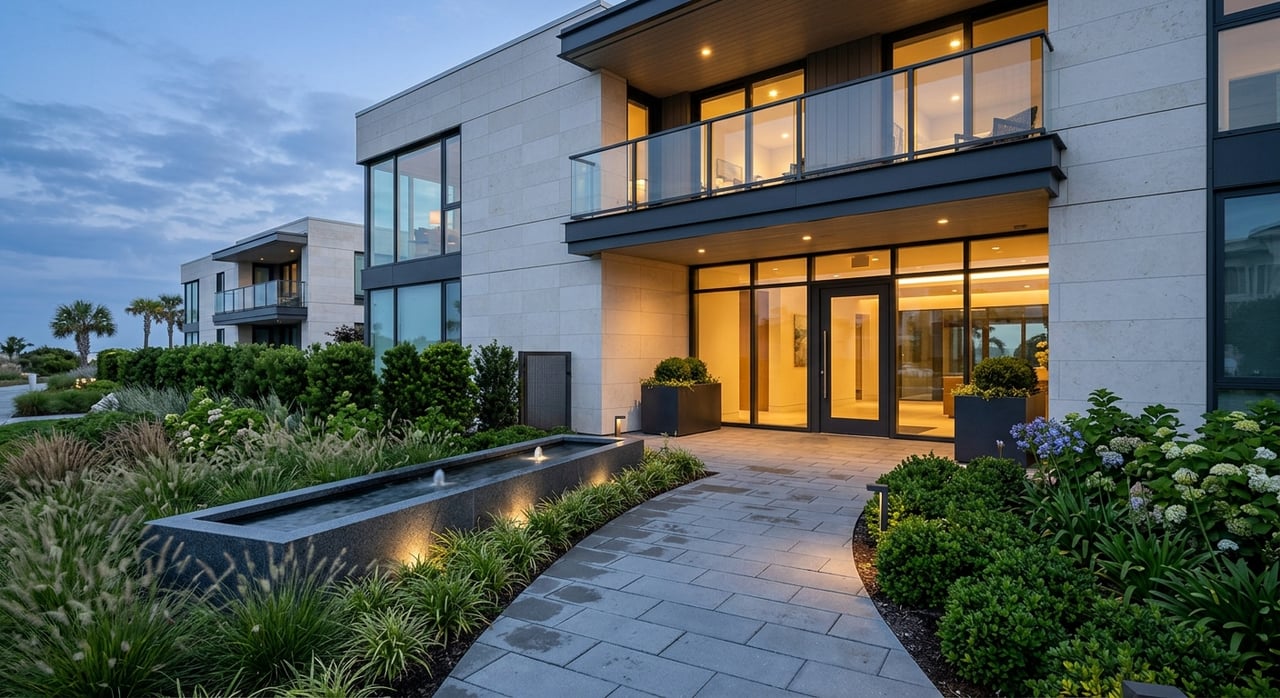
You’ll find many condos along the waterfront and in downtown conversions. Options range from studios to higher-end oceanfront units. If you prioritize walkability and low-maintenance living, a condo can be a strong fit, but remember to review HOA rules and monthly dues.
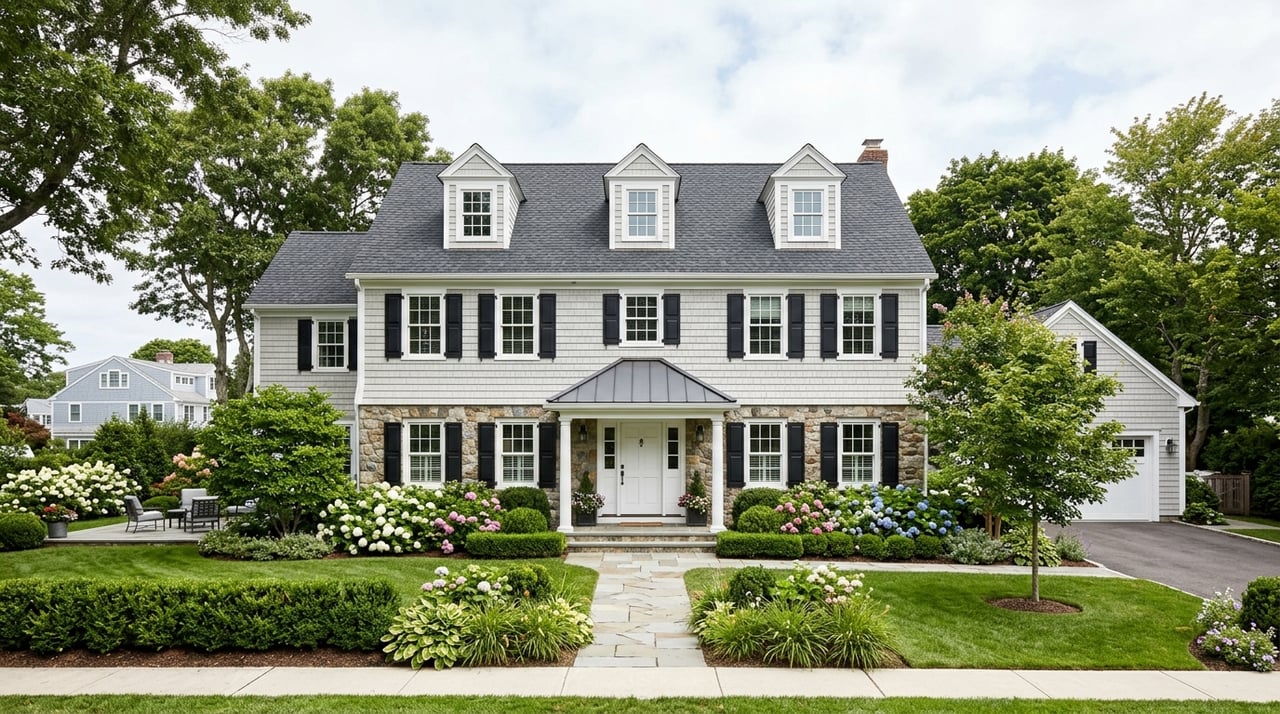
Inland neighborhoods offer detached homes with older Victorian or early 20th-century styles alongside newer builds. Older homes can deliver charm and space but may require added attention to moisture control, exterior upkeep, and systems that face coastal wear.
Short-term rental units are a notable presence, especially near the water and downtown. This can affect both income potential and day-to-day neighborhood dynamics. If you are buying for investment, check local licensing rules and taxes. If you are buying to live, ask about nearby rental density.
Before you make offers, set a full budget that covers the coast-specific costs you may face year-round.
You have several ways to reach New York City and neighboring shore towns. Your best option depends on your schedule and your appetite for transfers.
NJ Transit’s North Jersey Coast Line serves Asbury Park station with direct service to New York Penn Station. Travel times depend on the time of day and whether you catch a local or an express. Check current schedules and consider parking and transfer plans if you commute regularly.
Some commuters drive to nearby ferry terminals in Highlands or Atlantic Highlands for SeaStreak service to Manhattan. The ferry can be faster than rail at peak times, but it requires a short drive or ride-share from Asbury Park. Many residents mix modes based on the day’s schedule and weather.
Driving to Manhattan can range from roughly 60 minutes in lighter traffic to 120 minutes or more during heavy congestion. Garden State Parkway is a common route. Summer weekends tend to bring more traffic along the shore, which can affect local travel times.
The Asbury Park station has commuter parking, and local bus routes connect to neighboring towns. Frequencies can shift seasonally, so confirm details before you rely on a route. Expect higher demand for parking near the boardwalk and downtown in the summer.
Asbury Park moves to a clear seasonal beat, but there is always something to do. The arts and music culture anchors the city even in quieter months.
You get the full shore experience: beaches, boardwalk, and a packed calendar of events. Shops and restaurants extend hours, and music venues are busy. Parking is tighter and crowds pick up, especially on weekends.
These shoulder seasons are favorites for many locals. The weather is pleasant, the ocean is accessible, and lines are shorter. Many businesses operate with regular hours, and weekend events still pop up.
Life slows down in a good way. You’ll find reduced hours at some businesses, more open street parking, and a calmer beach. Many venues and galleries keep the cultural scene going with indoor shows and exhibits.
You can cover most day-to-day needs in town year-round, from groceries to coffee to casual dining. For healthcare, regional hospital networks and urgent care centers in Monmouth County are within a short drive. If schools are part of your decision, Asbury Park is served by the local school district, and families often research both district options and nearby private schools. Review official district and state resources for current program and performance details.
Short-term rentals are regulated at the municipal level. If you plan to rent your property, check the city’s requirements for licensing or registration, safety rules, occupancy limits, and taxes. If you plan to live in your home, understanding local rules helps you set expectations about activity on your block.
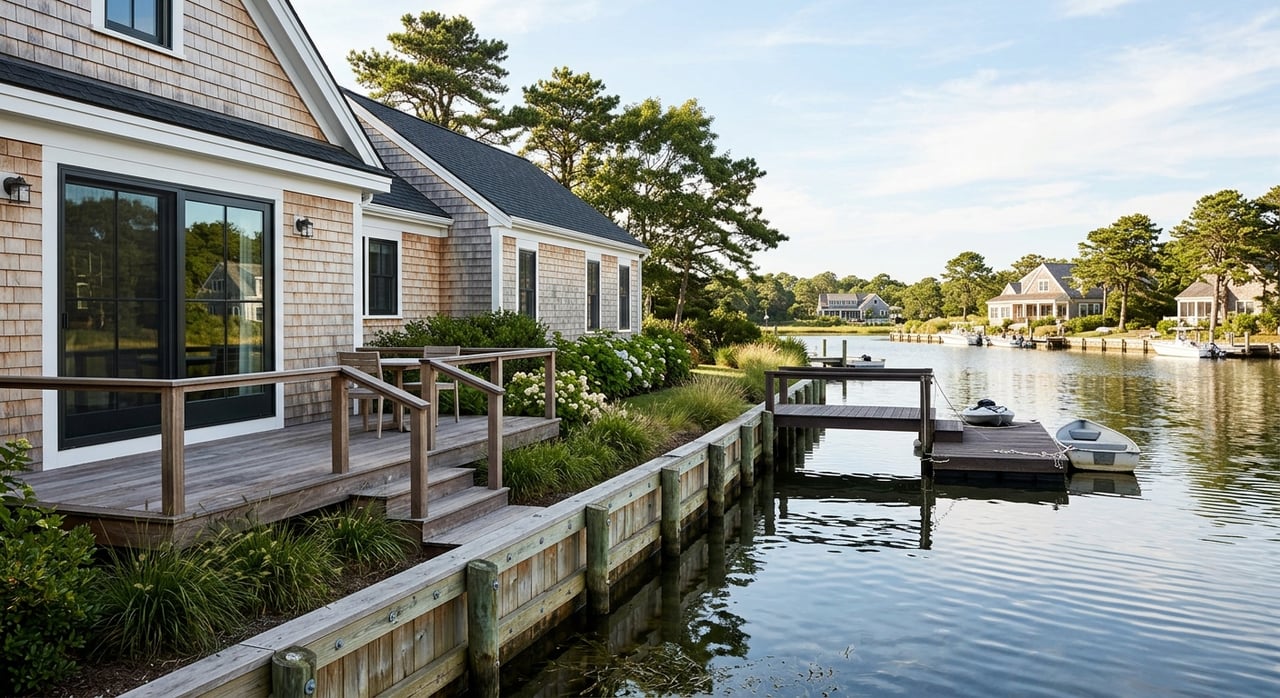
The Mid-Atlantic coastal climate brings humid summers and cooler winters. Storm surge, nor’easters, and coastal flooding are real factors to plan around. Many buyers review FEMA flood maps, ask for elevation certificates, and confirm past storm mitigation work with sellers. Consider storm-hardening steps, such as improved drainage, secured mechanicals, and regular exterior maintenance to manage salt exposure.
Asbury Park works best if you want a walkable, arts-forward coastal city with year-round activity. It is a match if you:
Buying at the shore is about more than a great address. It is about choosing a home that fits your budget, your commute, and the seasonal pattern you want.
When you want straight talk and a fast, smooth process, work with a local expert who knows this market block by block. Whether you are listing a shore home, buying your first condo, or adding a rental, you get hands-on guidance, renovation coordination, and full-service support from search to closing and beyond.
Ready to explore Asbury Park with a plan tailored to you? Talk to Alexis Fraistat to map your next steps and move with confidence.

I’m Alexis Fraistat – a single mom, a hustler, and a Realtor® who gets things DONE. From negotiating the best deals to guiding you through inspections, paperwork, and everything in between, I’m in it with you.
ALEXIS FRAISTAT
[email protected]
(732) 859-7920
License #1968928
830 Broad St Ste 4 Shrewsbury NJ 07702