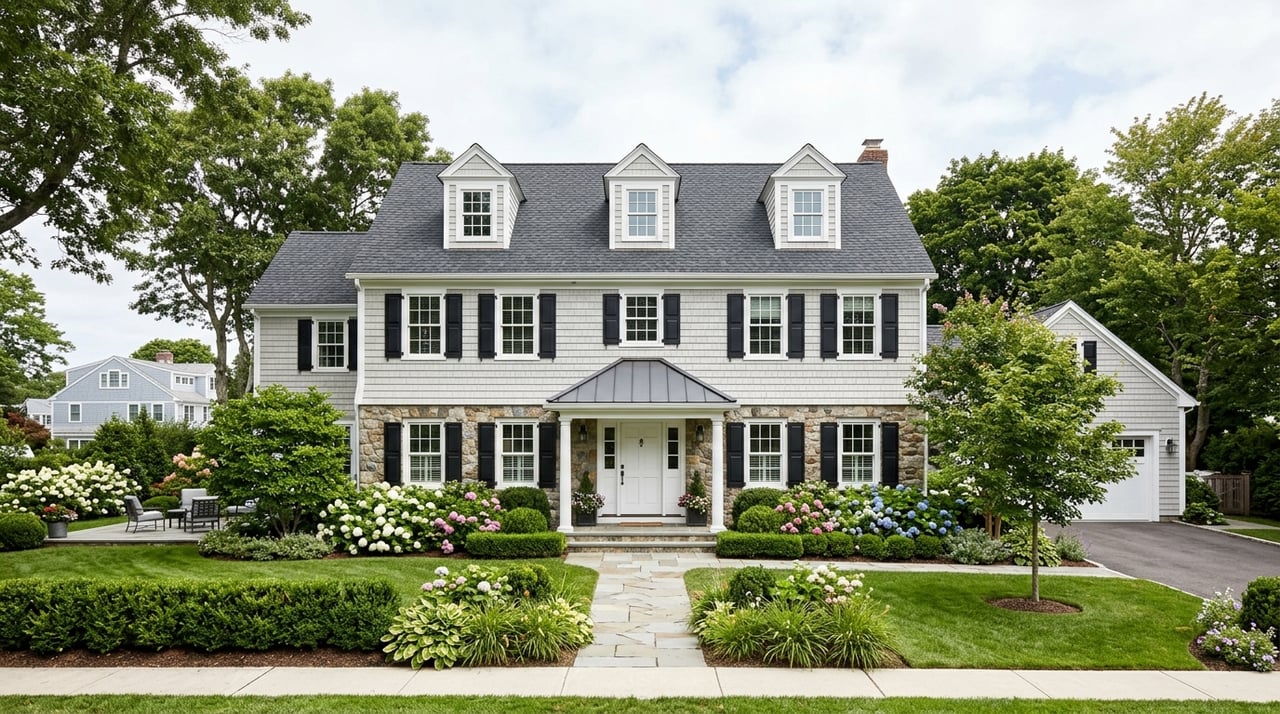
A First Time Homebuyer Guide to Brick NJ Neighborhoods
April 2, 2026
April 2, 2026
Buying your first home in Brick can feel simple on paper and complicated in real life. You see coastal charm, suburban convenience, and homes in a wide range of settings, but you also need to think about budget, commute, flood exposure, and how competitive the market really is. The good news is that Brick becomes much easier to understand when you break it into a few clear neighborhood types and focus on what fits your goals. Let’s dive in.
Brick gives you a mix that many first-time buyers want: suburban housing, access to major roads, everyday shopping, and proximity to the Shore. According to the U.S. Census QuickFacts for Brick Township, Brick had 73,620 residents in the 2020 Census and covers 26.2 square miles.
It is also a very car-oriented community. State and township planning documents describe Brick as an auto-oriented suburban area where single-family detached homes are the most common housing type and commercial activity is concentrated along major roadways, which matters when you are choosing between inland and waterfront areas.
If you are buying your first home, you need a realistic sense of pricing and pace. Recent public data puts Brick’s average home value at about $497,700, with homes pending in around 28 days.
At the ZIP code level, Realtor.com market data for 08724 shows a median listing price of $515,000 and about 38 days on market, while the research report notes 08723 at a median home price of $511,450 and 34 days on market. In practical terms, Brick is competitive, but not so intense that every home turns into a bidding war.
Countywide, buyers may have slightly more room than they did before. The research report notes that Ocean County inventory has risen year over year while median sale price and price per square foot dipped slightly and days on market increased, which suggests a little more breathing room in the broader market.
For first-time buyers, the easiest way to understand Brick is to sort it into broad lifestyle and housing categories. Township planning documents group Brick into Township Mainland, Princeton Midstreams, Shore Acres and Cherry Quay-Bar Harbor, and the Barrier Island.
That framework helps you compare affordability, convenience, water exposure, and maintenance demands without getting lost in dozens of micro-areas. It is not about finding a single “best” neighborhood. It is about finding the best match for how you want to live and what you can comfortably carry.
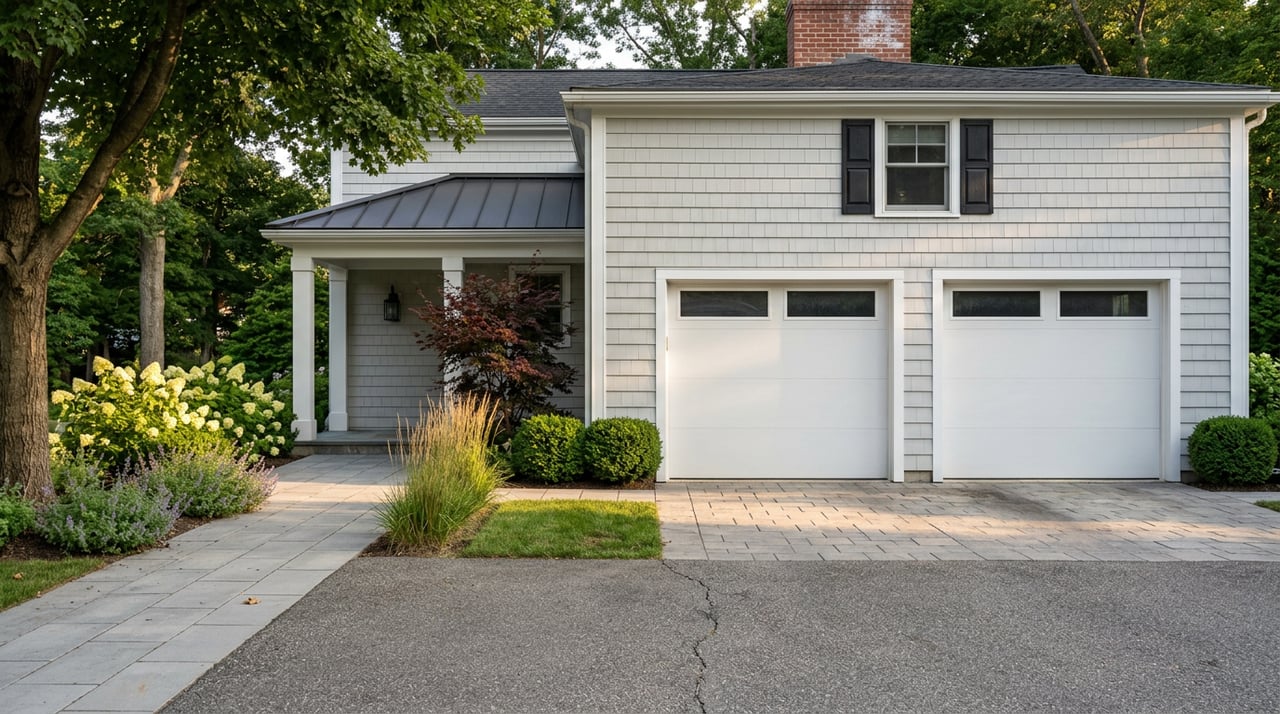
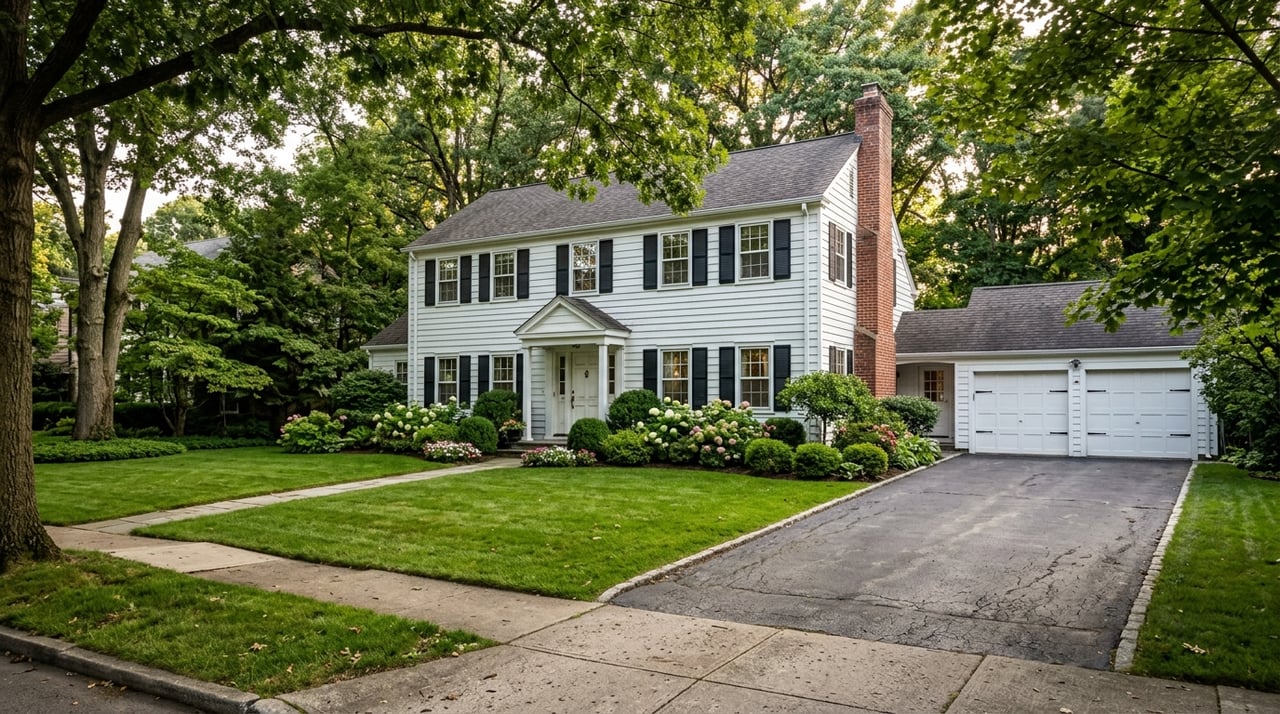
Mainland Brick is often the most straightforward place for first-time buyers to start. State planning documents describe inland Brick as more traditional suburban housing, with detached homes on local roads and easier access to the highway network than many coastal sections.
In practice, this part of town is often the closest fit to the township’s overall median pricing. If your top priorities are value, road access, and a more familiar suburban layout, mainland areas may give you the cleanest starting point.
Mainland areas tend to work well if you want to stay plugged into daily errands and regional travel. Brick’s main commercial corridors are concentrated along Route 70, Route 88, Brick Boulevard, Cedar Bridge Avenue, and Chambers Bridge Road, so many shopping and service trips revolve around those roads.
This can be a plus if you want convenience over a village-style downtown feel. Brick is built for driving, and mainland neighborhoods generally keep you closer to that everyday network.
Princeton Midstreams can feel like a middle ground between inland convenience and waterfront lifestyle. Township documents place it along the north side of the Metedeconk River to Route 88 and toward the Point Pleasant boundary.
For a first-time buyer, that usually means you may be closer to water and recreation while still staying connected to the main road system. If you want some Shore-adjacent feel without jumping all the way into barrier-island or back-bay conditions, this area is worth a serious look.
This area can appeal to buyers who want balance. You may get a location that feels a little more coastal than inland Brick while still keeping practical access to shopping, commuter roads, and neighboring towns.
That said, you still want to evaluate each property on its own. In Brick, being closer to water can change maintenance expectations and risk profile even when a home is not directly on the bay or ocean.
Shore Acres and Cherry Quay-Bar Harbor are the areas where first-time buyers need to slow down and ask more questions. Township recovery documents identify these neighborhoods as strongly associated with back-bay, tidal, and storm-surge flooding.
That does not mean a home there is automatically a bad fit. It does mean you need a sharper budget, a realistic maintenance plan, and a clear understanding of water-related risks before you move forward.
If you are drawn to these neighborhoods, focus on the full cost of ownership, not just the purchase price. Brick’s official planning documents describe the township as highly vulnerable to riverine, coastal and tidal, sea-level-rise, and stormwater flooding, with more than 10,000 structures in the floodplain and 92 documented repetitive loss properties.
Those facts should shape how you shop. Ask detailed questions, review flood history when available, and be prepared for more property-specific diligence than you might need in inland sections.
The Barrier Island offers a very different living experience from mainland Brick. Township neighborhood planning documents describe it as Brick’s eastern edge between the Atlantic Ocean and Barnegat Bay, with a mix of housing densities, lagoon-front sections, older smaller-lot areas such as Normandy Beach, larger homes, and private association enclaves.
It also includes two public beaches with parking and one fishing beach. If beach access is high on your priority list, this area may stand out fast.
The barrier island is especially car-dependent. The neighborhood plan states that public transit does not currently serve Brick Beach, so getting around is more vehicle-based than on the mainland.
The same plan also notes that many homes are pre-FIRM structures built before modern flood regulations. For first-time buyers, that makes due diligence even more important because older coastal housing can come with different upkeep and resilience considerations.
Brick works best when you are comfortable with a driving-centered routine. The township has access to Routes 70 and 88 through the center of town and the Garden State Parkway on the west side, with exits 91, 90, and 89.
Brick does not have its own train station, but Bay Head provides North Jersey Coast Line rail service toward New York City. NJ Transit also lists Brick Township Park & Ride service on bus 137 to Port Authority, plus regional bus links on routes 317 and 67.
Before you choose a neighborhood, think about your weekly patterns:
In Brick, these questions matter because neighborhood feel and travel flow can change a lot from inland to barrier-island locations.
If schools are part of your decision, start with district facts and specific property assignment research. Brick Township Public Schools says the district currently has 12 schools and about 8,446 students in PK-12, and the New Jersey Department of Education district report lists two high schools, two middle schools, six elementary schools, and two early-childhood centers.
For day-to-day living, shopping and services are spread across the township rather than centered in one downtown district. That layout can be convenient, but it also means you should test-drive the routes that matter to you most, especially from neighborhoods farther east or closer to the water.
A lot of first-time buyers assume an inspection answers every question. It does not. New Jersey home-inspection standards are visual and limited to what is safely accessible.
According to New Jersey inspection regulations, inspectors are not required to identify concealed defects, determine life expectancy, determine cause, judge code compliance, or decide whether a property is a good purchase. That is especially important in a market like Brick, where water exposure can be a major factor.
In Brick, pay special attention to visible signs of:
If you are considering bayfront or barrier-island property, pair the standard inspection process with a flood-history review and a realistic maintenance budget. That approach lines up with Brick’s documented flood exposure and the limited scope of a standard inspection.
Brick is competitive, but buyers are not completely boxed in. The research report shows 08724 as a seller’s market and 08723 as balanced, with sale-to-list ratios around 100% and 99% and days on market in the mid-30s.
That means the smartest move is usually not to underreact or overreact. A clean, well-priced home can move quickly, but you may still have room to negotiate depending on condition, location, and how long the property has been listed.
For many first-time buyers in Brick, the best approach is:
The right house is not just the one you can win. It is the one you can own with confidence after closing.
If you are overwhelmed by options, simplify your search into three buckets:
This kind of sorting helps you focus faster. Instead of touring everything, you can target the areas that fit your budget, lifestyle, and risk tolerance.
Buying your first home in Brick is very doable when you go in with clear eyes. The town offers a lot, from suburban convenience to waterfront access, but not every neighborhood asks the same things of your budget or your ownership plan. If you want straight talk, smart strategy, and hands-on guidance as you sort through Brick’s neighborhoods, connect with Alexis Fraistat to make your first move with confidence.

I’m Alexis Fraistat – a single mom, a hustler, and a Realtor® who gets things DONE. From negotiating the best deals to guiding you through inspections, paperwork, and everything in between, I’m in it with you.
ALEXIS FRAISTAT
[email protected]
(732) 859-7920
License #1968928
830 Broad St Ste 4 Shrewsbury NJ 07702