Trying to decide between a condo or a single-family home in Red Bank? You’re not alone. The borough offers walkable riverfront living and classic neighborhood streets, which makes the “right” choice feel fuzzy. In this guide, you’ll get a clear, local breakdown of costs, lifestyle tradeoffs, HOA details, financing, and what to check before you write an offer. Let’s dive in.
Red Bank market snapshot
Red Bank is a small, amenity-rich market with limited monthly sales. That means median-price numbers can swing a lot month to month. Recent public snapshots show a wide range, from the low 600s (typical home value measures) to the 900s (single-month medians on small sample sizes). You should expect prices to vary by location, property type, and condition.
- Local trend tool: Review 12‑month medians and sales counts for Red Bank to see the bigger picture on PropertyFocus market trends.
- Why numbers differ: Some sources track sold medians, others estimate typical values, and listing medians can skew differently. In a small market, even a few high‑end sales can move a median.
What this means for you
- Budget by range, not a single number. Plan for dispersion by neighborhood, water proximity, and property type.
- Price premiums tend to show up near the river and close to downtown amenities.
- Your agent’s on-the-ground comps and pending data will matter more than a single headline median.
Condos vs single‑family at a glance
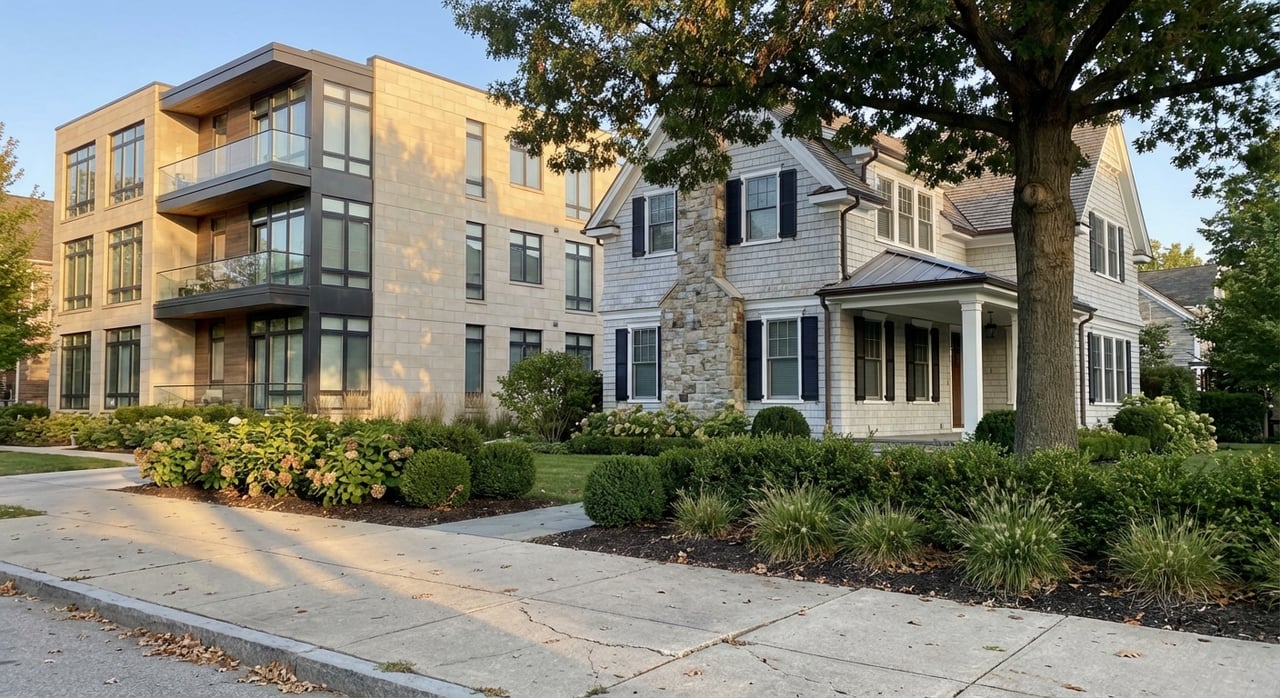
Both options are active in Red Bank. Condos and townhomes cluster downtown and along the Navesink. Detached homes are common on near‑downtown streets and in surrounding residential areas.
Typical price ranges
- Condos: Under 300k for smaller one‑bedroom units in older communities, 400k–700k for updated 2BR downtown or river-adjacent homes, and 1.5M–2.5M+ for luxury waterfront or new‑build penthouses.
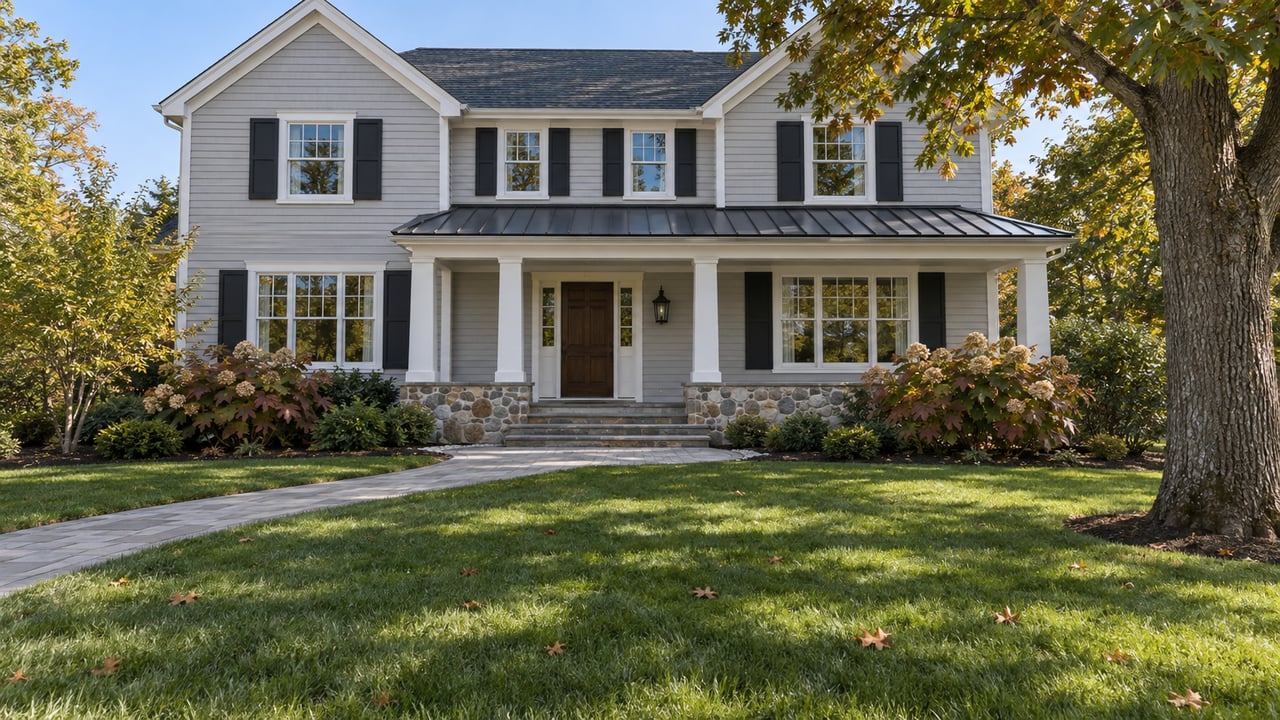
- Single‑family: Often mid‑500s to 1.5M+ depending on size, updates, lot, and proximity to downtown or the river. Historic or renovated homes near the core tend to command premiums.
HOA fees and what they cover
Condo HOA or maintenance fees vary widely in Red Bank. Basic older complexes can run around 400 dollars per month. Newer or waterfront buildings that include more services often run 1,200 to 1,800+ per month. In some riverfront buildings, the monthly fee can include items like heat, hot water, or even property taxes. Always confirm exactly what the fee covers because it changes your monthly carry cost.
Common inclusions:
- Exterior and common‑area maintenance, snow removal, landscaping, trash
- Building insurance for common elements
- Some utilities (heat, hot water, water/sewer)
- In select buildings, property taxes are included
Maintenance and insurance responsibilities
For condos, New Jersey’s Condominium Act assigns the association to manage common elements and many exterior items. As a unit owner, you are generally responsible for interior components. Associations adopt budgets and collect assessments to pay shared expenses. To understand duties and record access, review the statute in New Jersey’s Condominium Act and the state’s association guidance through the NJ DCA ARI.
Key takeaways:
- Healthy reserves reduce the risk of special assessments.
- You should review the association’s financials, insurance, and minutes during attorney review.
Financing considerations for condos
Condo loans often require a project review. Many lenders and agencies want to see reserve funding levels, insurance coverage, owner‑occupancy ratios, and limits on commercial space or investor concentration. If a project is not eligible for conventional or FHA standards, you may need a different loan product or a higher down payment. See how project reviews work in Fannie Mae’s PERS guidance.
Pros and cons by lifestyle
- Condos: Lower maintenance, strong for commuters and downsizers who want restaurants, theater, and riverfront access close by. Often a lower entry price than a single‑family at the same walkable location.
- Single‑family: More control over the property, private outdoor space, and fewer rules. Often appealing to move‑up buyers, and historically single‑family homes tend to carry higher median prices nationally, a trend noted in recent NAR reporting summarized by StreetInsider.
Risks to weigh:
- Condos: Governance risk, reserves, potential special assessments, and rental restrictions. The NJ DCA ARI provides guidance on owner rights and association obligations.
- Single‑family: You carry all maintenance and replacements. New Jersey property taxes are a major budget line, and ongoing upkeep can be higher.
Location and lifestyle tradeoffs in Red Bank
Downtown and riverfront
If you want a high‑walkscore lifestyle near Broad Street, theaters, and dining, condos near downtown and the riverfront fit well. Many core addresses show Walk Scores in the 90s, like the area around 60 Catherine Ave on Walk Score. Expect elevator buildings, garage parking in some cases, and quick access to nightlife and shopping.
Near‑downtown neighborhoods and West Side
A short walk from downtown, you’ll find quieter blocks with detached homes and small yards. These areas offer a balance of proximity to amenities and private outdoor space. For a neighborhood overview and local tradeoffs, preview the Red Bank lifestyle guide.
Transit and commute
Red Bank Station sits on NJ TRANSIT’s North Jersey Coast Line. Trains serve Secaucus and Newark, and some peak trains run direct to New York Penn. Typical schedules show about 1 hour to 1 hour 30 minutes depending on train and time of day. Check current options via NJ TRANSIT’s Red Bank Station page.
Monthly cost comparison example
Below is a simple, conservative illustration. Rates and taxes change, so this is for planning only.
Example A: Downtown 2BR condo at 550,000
- Down payment: 20 percent
- Mortgage principal and interest: approx. 2,850–3,100 per month at a typical market rate
- HOA: 900 per month (assume includes heat and hot water; does not include property taxes)
- Property taxes: estimate 9,000–11,000 per year, or 750–920 per month, noting New Jersey’s higher tax environment per SmartAsset’s NJ property tax context
- Condo HO-6 insurance: 25–50 per month
- Estimated total: about 4,575–4,970 per month
Example B: Near‑downtown single‑family at 775,000
- Down payment: 20 percent
- Mortgage principal and interest: approx. 4,100–4,400 per month at a typical market rate
- Property taxes: estimate 13,000–16,000 per year, or 1,080–1,335 per month
- Homeowner’s insurance: 80–140 per month
- Maintenance reserve: set aside 200–350 per month for roof, systems, landscaping
- Estimated total: about 5,460–6,225 per month
How to use this: swap in your lender’s current rate, the actual tax bill, and the real HOA line. For condos, verify whether taxes or utilities are included in the HOA because that can shift hundreds per month.
Due‑diligence checklist
If you’re buying a condo
- Financials: Current budget, last 3 years of budgets, reserve balance or reserve study, and details on any special assessments in the last 5 years.
- Governance: Most recent 12–24 months of meeting minutes, management contract, bylaws and master deed, and any pending litigation.
- Health indicators: Insurance certificates, owner‑occupancy rate, rental rules, and HOA dues delinquency rate.
- Your rights: The NJ DCA ARI outlines association obligations and owner access to records.
- Financing: Ask your lender early if the project needs approval and share documents. For why lenders request project reviews, see Fannie Mae’s PERS overview.
If you’re buying a single‑family home
- Inspection: Full structural, roof, HVAC, electrical, plumbing, and drainage review.
- Cost history: Recent receipts or estimates for roof, HVAC, windows, and any water‑intrusion or foundation work.
- Taxes: Current tax bill and assessment history. Use the bill in your monthly estimate.
- Plans: Check local ordinances and permit records if you intend to add on or finish space.
- Comps: Review recent nearby sales and pending activity for price confidence.
Financing pre‑check for both
- Get pre‑approved early and verify your condo project’s status with your lender if applicable.
- If a condo project is not eligible for conventional or FHA standards, ask about alternatives or consider other properties.
Who each option fits
- First‑time buyers: Condos can lower maintenance and entry price. Single‑family can work if you want a yard and plan to stay longer.
- Commuters and downsizers: Condos near Broad Street and the station provide walkability and lock‑and‑leave ease.
- Move‑up buyers: Single‑family homes offer space, flexibility for updates, and broad buyer appeal at resale.
- Investors: Review HOA rental rules, project reserves, and dues delinquency before underwriting a condo. For single‑family, model taxes, expected rent, and maintenance.
Five quick questions to choose with confidence
- Do you want walk-to-dinner convenience or a private yard?
- Would you rather pay a monthly HOA for shared upkeep or handle maintenance yourself on your schedule?
- How important is garage parking or a pool compared with extra bedrooms or a larger lot?
- Will project approval or HOA rules limit your financing or future plans?
- What monthly number feels comfortable after you include taxes, insurance, and either HOA or maintenance reserves?
Ready to compare real homes and run tailored numbers? Connect with Alexis Fraistat for straight talk, local comps, and a game plan that fits your budget and timeline.
FAQs
What are typical HOA fees for Red Bank condos?
- Older, simpler buildings often run near 400 dollars per month, while newer or waterfront options with more inclusions can run 1,200–1,800+ per month. Always verify what the fee covers.
Do any Red Bank condos include property taxes in the HOA?
- Yes, select riverfront buildings report HOA structures that include real‑estate taxes or utilities like heat and hot water. Confirm the inclusions in writing during due diligence.
How competitive is the Red Bank market right now?
- It’s a small, competitive market with limited monthly sales. Expect price dispersion by location and property type, and use 12‑month trends like PropertyFocus for context.
How long is the Red Bank commute to New York?
- Typical scheduled train times on NJ TRANSIT’s North Jersey Coast Line are about 1 hour to 1 hour 30 minutes depending on the train and time of day. Check NJ TRANSIT’s station page for current schedules.
What condo documents should I review before closing?
- Ask for budgets, reserve study or balance, 12–24 months of minutes, bylaws and master deed, insurance certificates, litigation status, rental rules, and dues delinquency, as recommended by the NJ DCA ARI.
Are single‑family homes better for resale than condos in Red Bank?
- It depends on location and inventory, but single‑family homes often attract a wider buyer pool and have historically carried higher medians nationally, as noted in a recent NAR summary via StreetInsider. Your local comps will drive the final answer.