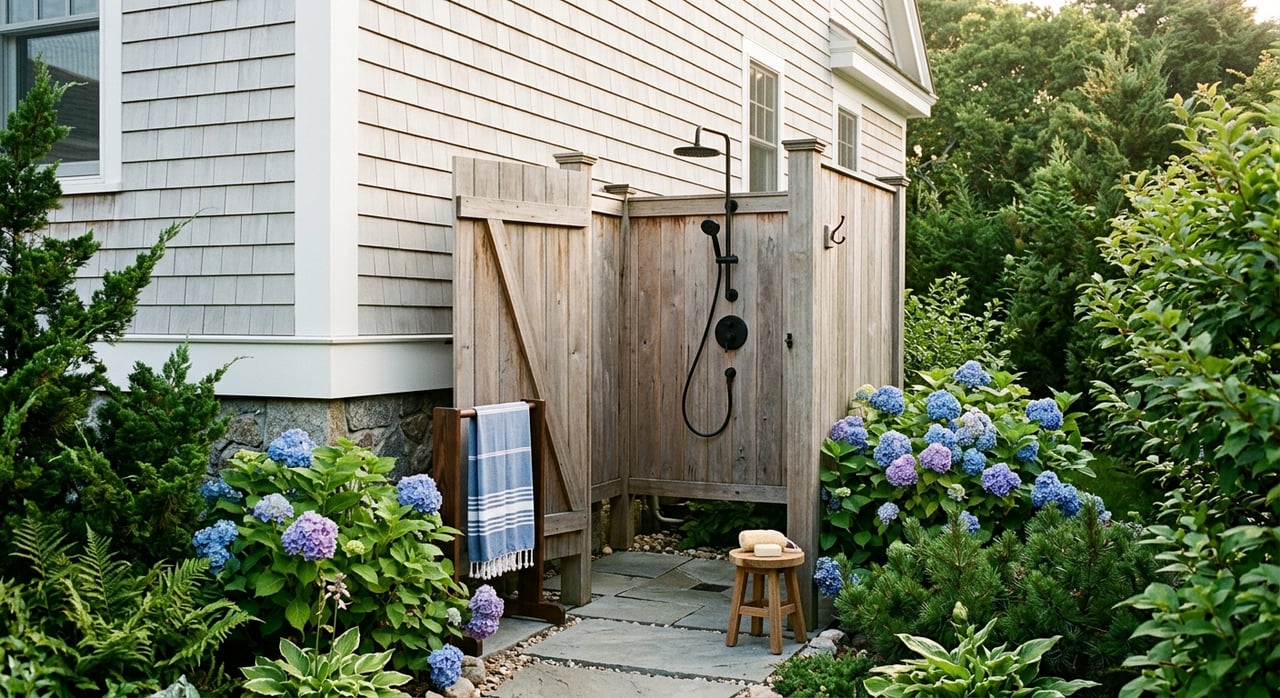
What It’s Like To Own A Belmar Shore Home
June 18, 2026
June 18, 2026
Dreaming about a Belmar shore home? It is easy to picture the beach days and boardwalk walks, but ownership here is about a lot more than summer fun. If you are thinking about buying, selling, or holding property in Belmar, you need the real day-to-day picture, and that is exactly what you will get here. Let’s dive in.
One of the biggest things to understand about Belmar is that it is not just a summer stop. The borough has about 5,846 residents in just 1.05 square miles, and more than half of homes are owner-occupied, with a 56.8 percent owner-occupied housing rate. The borough’s planning documents also make it clear that Belmar is primarily residential and is focused on being a year-round municipality, not only a seasonal resort.
That matters when you own here. You are not just buying near the beach. You are buying into a compact coastal town with residential blocks, a working downtown, and a rhythm that changes by season but does not disappear when summer ends.
For many owners, the Belmar lifestyle is about doing more without getting in the car every time. The borough is compact, the beach is close, and local rules and infrastructure support a park-once routine that works well in practice.
Belmar also has a transit connection that stands out for a shore town. NJ Transit’s North Jersey Coast Line serves the Belmar station between 8th and 10th Avenues, and the borough says it is about a six-block walk from the station to the beach. If you want a shore home with an easier car-free option for some trips, that is a real plus.
Owning in Belmar means the beach is part of your routine, but access comes with clear rules and costs. For 2026, daily beach badges are $12, seasonal badges are $80, and senior seasonal badges are $32. Children 13 and under are free, and active military members, dependents, Gold Star families, and veterans receive free beach admission.
Belmar requires beach badges from 9 a.m. to 5 p.m. on weekdays and 9 a.m. to 6 p.m. Friday through Sunday and holidays beginning Memorial Day weekend. The borough also notes that badge booths on the boardwalk are cashless. If you plan to host guests often, these details matter because they shape your budget and your beach-day logistics.
There is also a practical upside to this structure. Beach badge revenue is dedicated to the borough’s Beach Utility Account for operating and maintenance costs, which helps explain why the system is so managed.
If you own a shore home in Belmar, parking is not a side issue. It is one of the biggest lifestyle factors you will deal with, especially during peak season.
Belmar says paid parking runs from May 1 through October 1, with one marina area staying paid year-round. Fees generally apply on the east side of Ocean Avenue, around Silver Lake, on North Boulevard, and in the marina lot nearest Marina Grille, while parking is otherwise generally free throughout town. ParkMobile information shows most paid zones at $2 per hour, with some six-hour maximums.
This is why many owners lean into walking or biking. Belmar describes itself as bike-friendly, which supports a simpler routine where you park once and move around town without circling for another spot.
The Belmar shore experience is enjoyable, but it is also tightly managed. That is good for keeping the shoreline orderly, though it does mean you need to know the rules if you want your days to go smoothly.
Belmar prohibits smoking on the beach and boardwalk. Open flames, cooking, barbecuing, alcohol, and glass containers are also not allowed.
Tents and canopies are generally not allowed during the summer season, and only limited shade devices are permitted. Bicycles are allowed on the boardwalk only between 6 a.m. and 9 a.m. from May 1 through September 30, while skateboards and rollerblades are never allowed on the boardwalk.
Dog owners should pay close attention to the calendar. Dogs may be on the beach only from October 1 through April 30, which means your routine changes depending on the season.
Belmar offers strong accessibility features for a smaller coastal town. Every beach gate has a curb cut and ramp, and accessible bathrooms are available at 3rd, 6th, 8th, 11th, 16th, and 19th Avenues.
The borough also says beach wheelchairs are available at all beaches except 21st, 17th, 13th, and 3rd Avenues. For owners thinking long term, or for buyers planning around ease of access for guests and family members, that is useful information to know up front.
A lot of people imagine shore ownership as a strictly summer lifestyle. In Belmar, the shoulder seasons often show you the most livable side of town.
After Labor Day, beach badges stop. Paid parking on Ocean Avenue ends October 1, dogs can return to the beach, and boardwalk biking becomes less restricted outside the summer season. Put simply, fall and spring can feel more local, less crowded, and easier to enjoy at your own pace.
That lines up with the borough’s broader planning goals. Belmar’s redevelopment vision specifically aims to extend activity into spring and fall, not just peak summer weekends.
Belmar’s appeal is not only the sand and surf. The borough’s planning documents describe Main Street as a critical corridor and the historic focal point for retail, commercial, and office use.
Downtown and the Ocean Avenue corridor make up about 86 percent of Belmar’s commercially zoned area, with offices, services, restaurants, and retail all part of the mix. That gives ownership here a different feel than a town that shuts down outside beach season.
The Seaport Redevelopment Plan also envisions a mixed-use district with residential, restaurant, entertainment, and specialty shop uses. Add in recurring tourism programming like the New Jersey Seafood Festival on the boardwalk, and you get a better sense of why Belmar stays active beyond peak beach hours.
Belmar is not a one-style housing market. The borough’s master plan says the residential fabric is primarily single-family east of Main Street and west of Ocean Avenue, though multi-family clusters still exist in the northeast section.
The same planning data also show a mix of one-unit detached homes, one-unit attached homes, two-unit structures, and larger multi-unit buildings. That means buyers can find a range of ownership options, and sellers should understand that Belmar attracts more than one type of purchaser.
There is also a visual identity here that many people notice right away. In the seaport redevelopment area, new and rehabilitated buildings are expected to be compatible with a Seashore Colonial or Victorian village theme, which helps explain why some parts of Belmar feel classic and cottage-like instead of overly modern.
A shore home can be incredibly rewarding, but it usually asks more of you than an inland property. Salt air, weather exposure, and heavy seasonal use can all affect the outside of a home faster than some buyers expect.
A useful proxy comes from Belmar’s certificate-of-inspection checklist for rentals. It highlights roofs, gutters, siding, windows and screens, stairs and handrails, smoke and carbon monoxide detectors, GFCI outlets, and fire extinguishers.
Even though that checklist is for rentals, it points to the systems and exterior features that deserve close attention in a coastal setting. If you are buying, this is the kind of maintenance mindset you want from day one. If you are selling, staying ahead of these items can make your home show better and reduce friction later.
This is one area where straight talk matters. In Belmar, flood and drainage review should be tied to the specific property, not assumed based on a general location label.
Belmar’s environmental inventory notes groins, beach replenishment history, and erosion and flooding pressure at the south end of town. The borough’s master plan also says Belmar was designated an Area in Need of Rehabilitation after Hurricane Sandy.
For buyers, that means you should take parcel-level flood review seriously. For sellers, it means clear preparation and accurate property information matter. In a coastal market, details win.
At its best, owning a Belmar shore home gives you a walkable beach lifestyle, a managed and well-used shoreline, and a downtown that adds real energy through more of the year. You get summer convenience, off-season breathing room, and housing choices that range from classic single-family homes to other residential formats.
At the same time, successful ownership here means thinking like a local, not a vacationer. You need to understand parking, badge costs, seasonal rules, upkeep demands, and address-specific flood review before you buy or before you bring a home to market.
If you are thinking about buying, selling, investing, or managing property in Belmar, working with someone who knows how shore ownership really works can save you time and headaches. When you are ready for direct advice and a smart local strategy, connect with Alexis Fraistat.




I’m Alexis Fraistat – a single mom, a hustler, and a Realtor® who gets things DONE. From negotiating the best deals to guiding you through inspections, paperwork, and everything in between, I’m in it with you.
ALEXIS FRAISTAT
[email protected]
(732) 859-7920
License #1968928
830 Broad St Ste 4 Shrewsbury NJ 07702