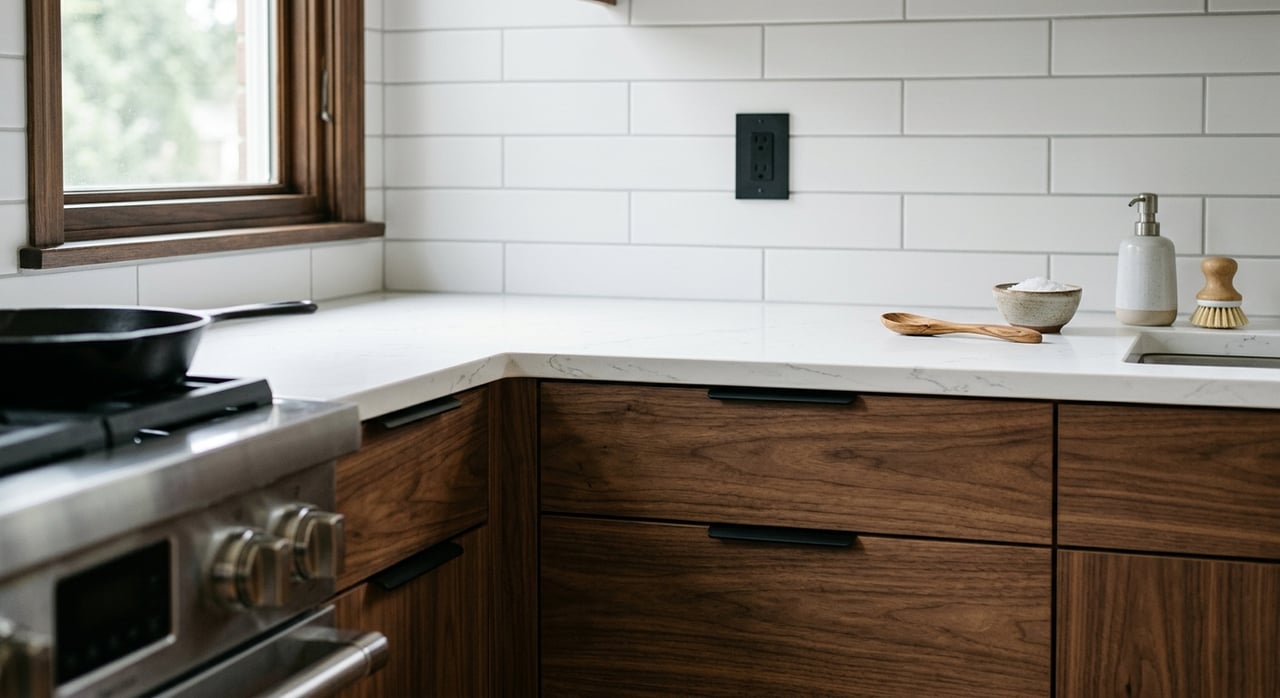
Monmouth County Home Pricing Strategy for Fast Sales
May 28, 2026
May 28, 2026
If you want your Monmouth County home to sell fast, your first price matters more than almost anything else. In a market where some homes go pending in about two weeks and many sell at or above list, a strong launch can create momentum fast, while the wrong number can slow everything down. The good news is that smart pricing is not guesswork. It is a strategy, and if you understand how Monmouth buyers are shopping, you can position your home to move. Let’s dive in.
Monmouth County is a strong seller’s market, but it is not one big, uniform market. Redfin reported a median sale price of $727,000 in March 2026, while Zillow placed the county’s typical home value at $767,182 as of April 30, 2026. Realtor.com reported a median listing price of $789,450 in March 2026.
Those numbers are different because they measure different things, but they point to the same reality. Monmouth is a premium New Jersey market where buyers are active, and first pricing matters. Redfin also reported a 100.3% sale-to-list ratio, with 43.7% of homes selling above list price.
That does not mean you can name any price and expect the market to chase you. It means buyers are responding quickly when a home looks well-positioned from day one. If your home misses the mark, the market usually tells you early.
One of the biggest pricing mistakes sellers make is relying too much on countywide averages. A shore property and an inland suburban home may both be in Monmouth County, but they often attract different buyers, sit in different price bands, and move on different timelines.
The town-level numbers make that clear. Asbury Park had a median listing price of $959,000 and 51 days on market, while Manasquan came in at $1.6 million and 36 days on market. Middletown had a median listing price of $699,900 and 24 days on market, Holmdel was at $1.249 million and 33 days on market, and Freehold was at $524,000 and 33 days on market.
The takeaway is simple. Your price should be built around your immediate market area, not a broad county average. That is especially important in Monmouth, where pricing patterns can shift a lot from one town to the next.
A fast-sale pricing strategy starts with comparable sales. That means looking first at similar homes that have recently sold in your area, because sold properties show what buyers were actually willing to pay.
A strong comparative market analysis should also consider active listings and homes under contract. Active listings show your current competition, and pending sales can help signal where buyer demand is landing right now. Together, these data points create a much more accurate pricing picture than online estimates alone.
When building a comp set, the key details matter. Size, location, features, condition, updates, needed repairs, and even your timeline all affect where your home should be priced. If your goal is speed, the pricing strategy usually needs to be more competitive than if you are testing the market with no rush.
Two homes with the same floor plan can perform very differently if one feels move-in ready and the other needs work. Buyers compare homes side by side, and they price in inconvenience quickly.
That means your asking price should reflect not just square footage and location, but also upgrades, deferred maintenance, and overall presentation. If your home needs repairs or cosmetic work, your price should account for that up front. If your home is polished, staged, and market-ready, you may have more room to push toward the top of the range.
This is where preparation and pricing work together. If you do the right work before launch, your price can be more competitive without leaving money on the table.
Buyers do not shop in a vacuum. They search in price ranges, compare similar listings, and react emotionally to numbers more than many sellers realize.
One useful tactic is price banding. If your home is sitting in a crowded bracket, a slightly different number may help it stand out. Pricing just below common search thresholds can also improve visibility when buyers filter listings by price.
For example, there can be a meaningful difference between a home priced at $1,005,000 and one priced at $999,999, depending on how buyers search. Zillow also notes that prices ending in 9 or 99 can feel more approachable, while round numbers can signal prestige in higher-end listings. The best choice depends on your price point, your likely buyer pool, and your local competition.
Timing matters, and Monmouth County tends to move faster as spring picks up. FRED’s Realtor.com-based median days on market series showed Monmouth at 62 days in January 2026, 49 in February, 39 in March, and 33 in April.
That trend tells you something important. Buyer momentum builds as the season shifts, so waiting until your listing is live to start preparing is usually too late. If you want to hit the strongest spring window, your repairs, photos, staging, and pricing strategy should already be settled.
National models vary slightly on the exact best week to list. Zillow points to late May, while Realtor.com’s 2026 report highlighted April 12 through 18. The shared lesson is more useful than the exact date: be fully ready before spring demand peaks.
When a home hits the market, the first week or two is the biggest pricing test. That early window is when your listing is freshest, most visible, and most likely to attract serious buyer attention.
Zillow found that 18.5% of homes went pending within seven days in February 2026, and those fast-selling homes were 2.6 times more likely to sell above asking than the typical listing. It also found that the typical sold home went pending after 19 days, while the median active listing sat for 56 days.
That gap matters. It shows how quickly the market separates well-priced homes from homes that lose momentum. In Monmouth County, Redfin also reported that 15.6% of listings had price drops in March 2026, which is a reminder that overpricing often gets corrected later, usually after valuable time has already been lost.
If your home is not getting strong traffic, solid showing activity, or serious offers in the first 10 to 14 days, it is time to reassess. That does not always mean price is the only issue, but price is usually the first place to look.
Overpricing can hurt visibility, reduce showing volume, and weaken your negotiating position later. Buyers often see stale listings as opportunities to push for concessions, even if the home itself is solid. A smart seller responds early instead of letting the listing sit.
Sometimes the fix is a cleaner price point. Sometimes it is a more meaningful adjustment to re-engage the market. Either way, speed matters, because the longer a listing lingers, the harder it can be to recapture launch-day energy.
Getting the highest offer is great, but the best offer is not always the one with the biggest number on top. Terms matter, too.
A strong offer should be evaluated based on likely net proceeds, repair requests, contingencies, and the odds of closing cleanly and on time. A lower offer with fewer obstacles can sometimes beat a higher one that brings more risk or more back-and-forth. If your goal is a fast, smooth sale, price should support the kind of offers you actually want.
That is why the best pricing strategy is not about chasing bragging rights. It is about creating leverage, attracting the right buyers, and protecting your bottom line.
If you are getting ready to sell in Monmouth County, here is the game plan:
In a market like Monmouth County, pricing is not just a number you post online. It is the engine behind your entire sale strategy. Nail it early, and you give yourself the best chance to sell fast and sell smart.
If you want a straight-talk pricing strategy built for your specific Monmouth County home, connect with Alexis Fraistat. You will get a local, tactical approach focused on speed, leverage, and the strongest possible outcome.


I’m Alexis Fraistat – a single mom, a hustler, and a Realtor® who gets things DONE. From negotiating the best deals to guiding you through inspections, paperwork, and everything in between, I’m in it with you.
ALEXIS FRAISTAT
[email protected]
(732) 859-7920
License #1968928
830 Broad St Ste 4 Shrewsbury NJ 07702